What Is Mead? A Complete Guide to Honey Wine
What Is Mead? A Complete Guide to Honey Wine
What mead is, what it’s made of, how it tastes, the main styles, how it compares to wine and beer — and how to serve it well.
If you’ve ever wondered “what is mead drink?”, you’re in good company. Mead is one of the oldest fermented beverages on earth and one of the fastest-growing categories in craft alcohol — yet it’s still widely misunderstood. This guide answers the real questions: what mead is made of, how it tastes, how strong it is, the styles you’ll see on a bottle, and how it differs from wine and beer.

Craft mead is fermented from honey and often finished with fruit or spices.
What Is Mead?
Mead is an alcoholic drink made by fermenting honey with water and yeast. That’s the entire core recipe. Because it’s fermented rather than distilled, mead belongs to the same broad family as wine and beer — which is why it’s commonly called honey wine. Depending on the style, a meadmaker may add fruit, spices, herbs, hops, or grains, but honey is always the primary source of fermentable sugar and the drink’s defining character.
It’s worth separating mead from two look-alikes: hard cider is fermented from apples, and honey liqueur is a spirit with honey added. Mead is neither — it’s its own fermented category.
What Does Mead Taste Like?
Mead’s flavor is built on honey, so expect floral, honeyed aromatics with a texture that ranges from crisp and light to rich and syrupy. The single biggest variable is sweetness:
- Dry mead — most of the honey sugar is fermented away; it can taste surprisingly like a crisp white wine, with bright acidity and a dry finish.
- Off-dry to semi-sweet — balanced; a touch of honey sweetness with freshness.
- Sweet mead — residual honey sugar remains; rich, rounded, and dessert-like.
On top of that base, additions reshape the flavor completely: fruit brings tartness and aroma, spices bring warmth (cinnamon, clove, ginger), oak adds vanilla and toast, and caramelized honey (bochet) adds toffee notes. Because honey carries the aroma of local flowers, no two meaderies taste exactly alike.
What Was Mead? A Short History
Mead may be the oldest alcoholic drink humans ever made. Residue analysis points to honey-fermented beverages in ancient China around 7000 BC, and mead appears across Greek, Norse, African, and medieval European cultures. The Greeks called it ambrosia, the “drink of the gods”; Norse legend promised mead to warriors in Valhalla; and the word “honeymoon” is said to trace to newlyweds drinking honey mead for a month after the wedding. After centuries of decline, the modern craft movement brought mead roaring back — today thousands of meaderies bottle it with the care and shelf presence of premium wine.
How Mead Is Made (Step by Step)
- Make the must. Honey is dissolved in water — the ratio of honey to water sets the potential alcohol and body.
- Pitch the yeast. A wine or mead yeast is added to convert honey sugars into alcohol.
- Ferment. Primary fermentation can take weeks. The meadmaker manages temperature and yeast nutrients — honey is nutrient-poor, so this step is where many batches succeed or stall.
- Add flavor (optional). Fruit, spices, or oak may go in during primary or secondary fermentation.
- Age. Many meads rest for months in stainless steel, oak, or bottles to soften harsh edges and build complexity.
- Package. The finished mead is bottled, corked or capped, and labeled for retail.
The Main Types of Mead
“Mead” is an umbrella term. These are the style names you’ll actually see on bottle labels and tasting menus:
| Style | What’s added | Character |
|---|---|---|
| Traditional | Honey, water, yeast only | Purest honey expression |
| Melomel | Fruit | Fruity, tart, aromatic |
| Metheglin | Spices or herbs | Warm, spiced, complex |
| Cyser | Apple cider/juice | Apple-forward, crisp |
| Pyment | Grapes/juice | Wine-like, grape-honey blend |
| Braggot | Malted grain (beer hybrid) | Malt + honey, hint of hops |
| Hydromel | More water, lower ABV | Light “session” mead |
| Sack | Higher honey, higher ABV | Strong, often sweet |
| Bochet | Caramelized honey | Toffee, toasted notes |
Mead vs. Wine vs. Beer
Mead sits between wine and beer in strength and service, but its identity comes from honey rather than grapes or grain.
| Mead | Wine | Beer | |
|---|---|---|---|
| Base | Honey + water | Grapes | Malted grain |
| Typical ABV | 8–20% | 9–15% | 3–10% |
| Flavor focus | Honey, floral | Grape, tannin, acid | Malt, hops |
| Serving | Chilled or lightly chilled | By style, often cool | Cold |
Is Mead Gluten-Free?
Traditional mead — honey, water, yeast — is naturally gluten-free, much like wine. The exception is braggot, which adds malted grain (barley) and therefore contains gluten. If you’re celiac or gluten-sensitive, check the label or ask the meadery whether any grain was used.
How to Serve & Store Mead
Serve dry and sparkling meads chilled (around 8–10°C) in a white-wine or flute glass; serve sweet and strong sack meads lightly chilled or at cellar temperature (12–16°C) in a smaller glass, like a dessert wine. Store bottles upright, away from light and heat. Many meads improve with a year or two of aging, though highly hopped braggots are best enjoyed fresh.
How Meaderies Package & Label Mead
Mead is usually bottled in 375 ml, 500 ml, or 750 ml glass, sealed with a cork or crown cap. Because mead is premium and story-driven, the label does much of the selling: a well-designed label signals craft and justifies price, while a weak one reads as homemade.
Most meaderies pair the label material to service conditions — textured estate paper with foil for premium craft mead, and waterproof synthetic film for chilled or ice-served styles. If you’re sourcing packaging, see our custom mead labels page, or read how to label a mead bottle step by step.
Frequently Asked Questions
What is mead drink made of?
Is mead the same as honey wine?
How strong is mead?
Is mead gluten-free?
Is mead stronger than wine?
How should I serve mead?
What label material works best for mead bottles?
Labeling your mead?
We print custom mead labels on textured estate paper and waterproof film — with foil, embossing, and short runs for small-batch meaderies.
Explore Custom Mead LabelsShop by Product
Popular Beverage Label Products
Factory-direct custom labels — low MOQ, free samples, and dispatch within 48 hours.
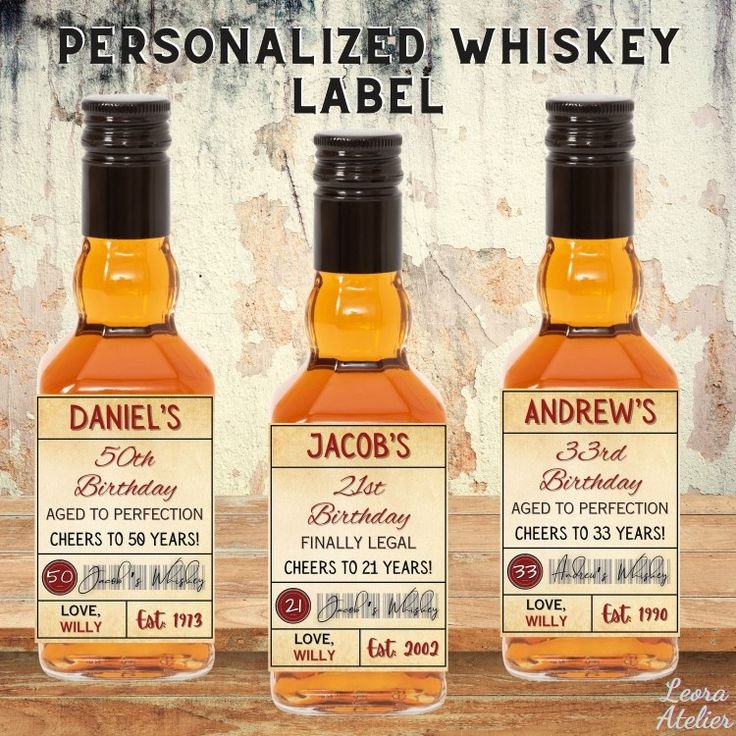
Custom Mead Labels
Textured estate paper, gold foil & waterproof film for honey wine.
View details →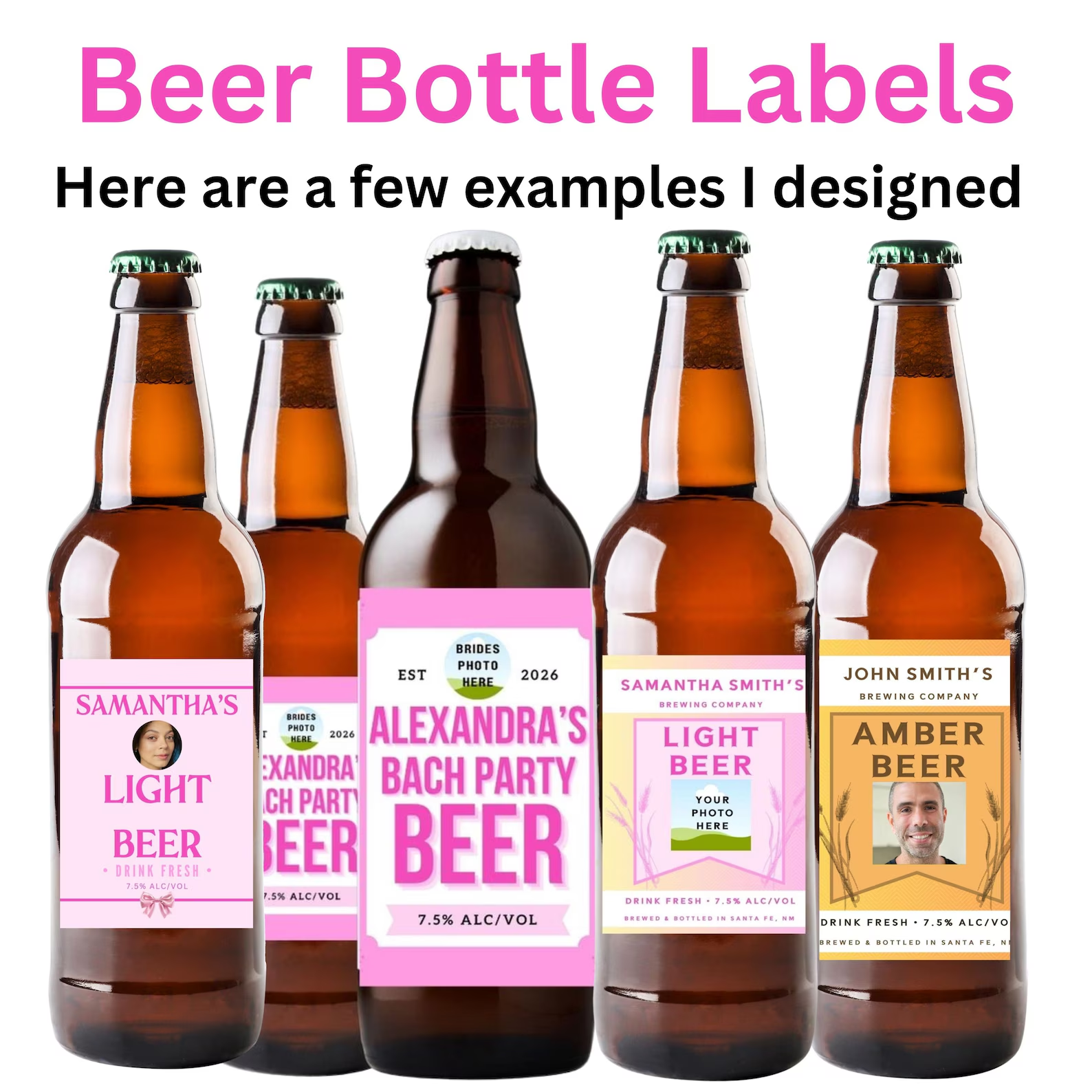
Custom Wine Bottle Labels
High wet-strength estate paper that survives ice buckets & cellars.
View details →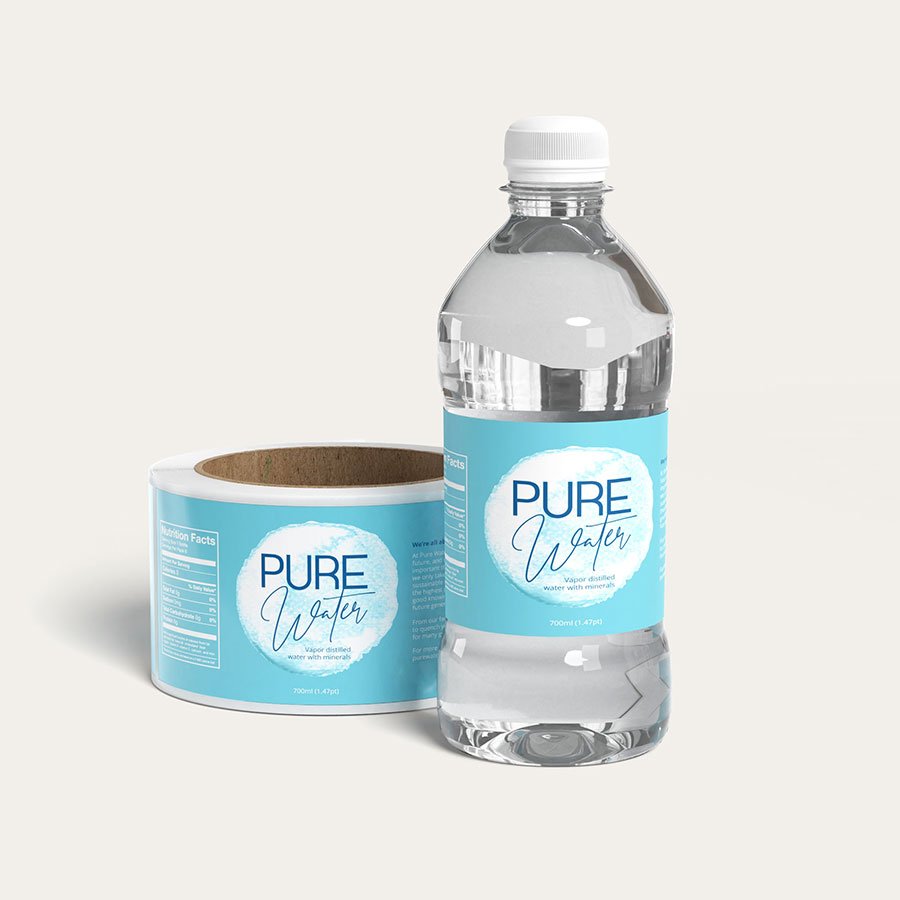
Custom Liquor Labels
Ultra-clear film, foil stamping & embossing for premium spirits.
View details →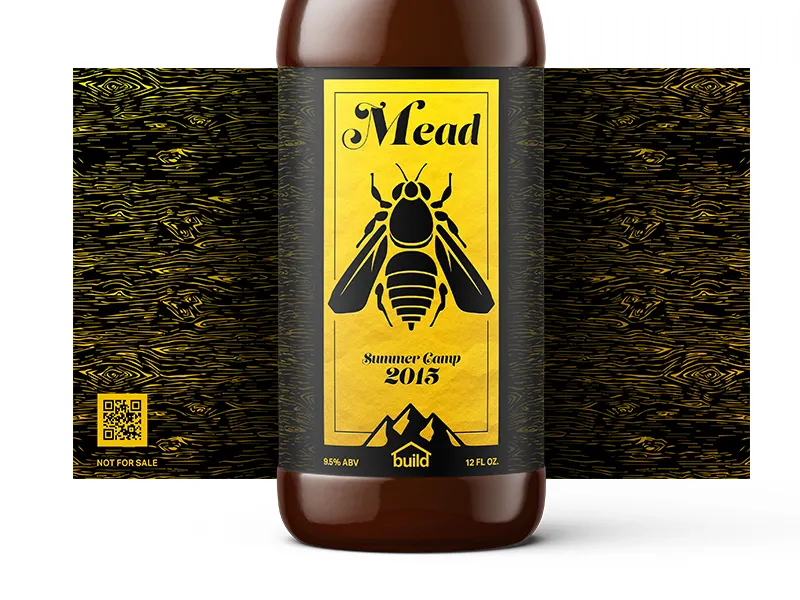
Custom Champagne Labels
Heavyweight textured stock with ice-water proof adhesive.
View details →